
Memory games for dementia are far more than a fun way to pass a rainy afternoon; they are essential tools that help maintain a person’s sense of self and connection to the world around them. When a loved one lives with memory loss, the focus often shifts to what they can no longer do. However, engaging in structured play shifts that narrative back to their strengths. These activities aren’t about “passing a test”—they are about stimulating Alzheimer’s cognitive function in a way that feels like a win every time.
By focusing on the abilities and skills that remain—like long-term memories, emotional responses, and the ability to find joy in a shared moment—we can help reduce the anxiety, depression, and low self-esteem that often accompany the loss of cognitive ability.
In this blog, we’ll explore five categories of games and activities that can spark joy and help your loved one regain confidence and reconnect with their friends and family.
5 Effective Memory Games for Dementia to Try at Home
When selecting activities, the goal is to find the “sweet spot” where the brain is active but the stress levels are low. These games help bridge the gaps created by challenges in logical reasoning and recall.
1. Word Puzzles That Encourage Language and Recall
Language is often one of the most frustrating things for a senior to lose, but word-based activities can help keep those neural pathways active and preserve communication skills.
- Preserving Speech: Engaging with familiar words helps prevent “tip-of-the-tongue” syndrome and builds confidence in daily conversation.
- Familiar Phrases: Using idioms or song titles from their youth allows them to access deep-seated memories, providing a satisfying “aha!” moment.
- Success Tips: Always use large print to avoid eye strain. Focus entirely on the enjoyment of the process rather than the accuracy of the answers; if they get a word wrong but are having fun, let it slide.
2. Matching Games That Support Visual Memory and Focus
Matching activities are excellent because they rely on recognition rather than the more difficult task of “recall.” It is often much easier for the brain to see two things that look alike than to pull a name out of thin air.
- Card Pairs: Use “memory” style cards, but keep the number of pairs low (start with 3 or 4) to prevent overwhelm.
- Color or Object Matching: This supports pattern recognition, which is a foundational part of how we navigate the world.
- Picture Bingo: Using images of everyday items (like a watering can, a loaf of bread, or a hat) instead of numbers makes the game more relatable and easier to follow.
- Mahjong: Playing this popular matching game has been shown to improve executive function in older adults with mild cognitive impairment (MCI).
- Concentration Benefits: These games require a level of focus that can help “quiet” the brain and reduce the agitation often seen in the late afternoon.
- Adaptability: The key is to adjust the difficulty. If a 20-piece puzzle is too much, move to 5. The goal is the smile at the end, not the complexity of the task.

3. Simple Problem-Solving Activities That Build Confidence
We all want to feel capable. Activities that involve memory games for dementia based on logic can give a senior a profound sense of accomplishment and purpose.
- Sequencing Tasks: Ask for help “organizing” a recipe or laying out the steps for a familiar task like gardening. This reinforces logical reasoning in a practical way.
- Puzzles: Use puzzles with 10 to 20 large pieces. Completing a visual image provides immediate feedback and a tangible “result” they can be proud of.
4. Music and Rhythm Games That Spark Memory and Emotion
Music is unique because it often remains accessible even when other forms of memory have faded. These games can activate the emotional centers of the brain, creating a “bridge” to the past.
- Lyric Completion: Start a line of a favorite hymn or big band song and let them finish it. This often triggers a flood of positive associations.
- Rhythm Tapping: Clapping or tapping a tambourine to a beat helps with motor coordination and creates a shared physical experience.
- Movement: Pairing music with simple motions, like swaying or “arm dancing,” increases engagement and can significantly boost a senior’s mood.
5. Learning Something—Anything—New
There is a common misconception that people with dementia cannot learn. While they may not remember the specific lesson, their brains can still benefit from the novelty of experiencing something new in a supportive environment.
- Gentle Novelty: Introduce a new theme to a familiar game—for example, if they usually sort cards, try sorting colorful sea shells.
- Curiosity Over Mastery: The goal isn’t for them to master a new skill, but to spark curiosity. This type of mental stimulation keeps the brain flexible.
- Confidence Boost: Navigating a new (but simple) task provides a hit of dopamine that can improve their outlook for the rest of the day.
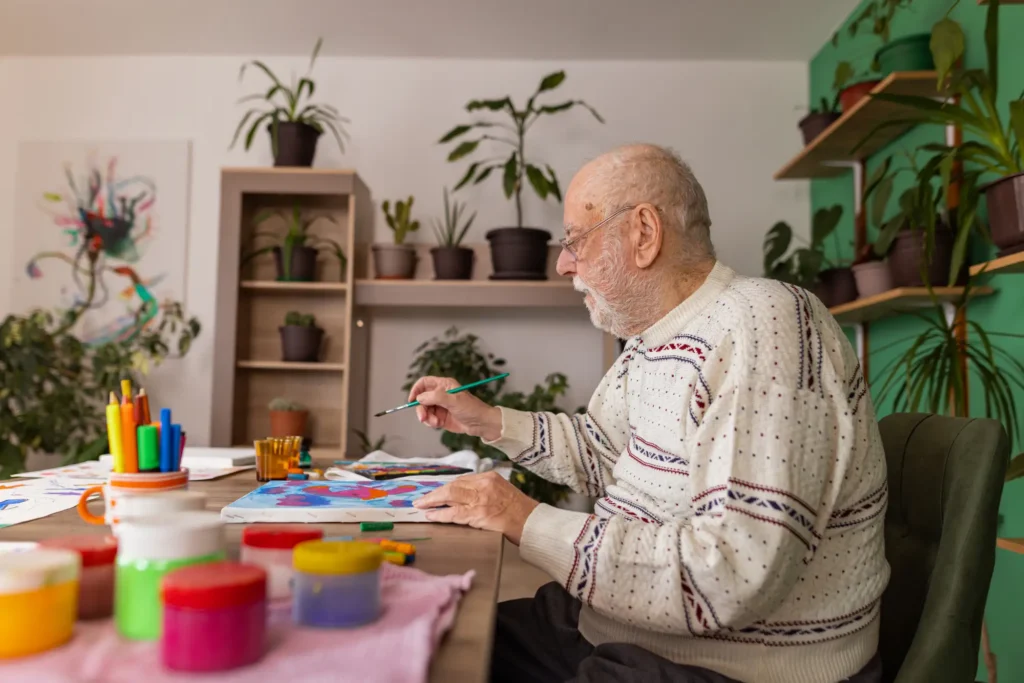
Social Benefits of Playing Together
Dementia can be incredibly isolating, both for the senior and the caregiver. Memory games for dementia provide a structured “third party” that facilitates socialization without the pressure of constant small talk.
- Peer Interaction: In a group setting, these games allow seniors to connect with others facing similar challenges, reducing the “lonely” feeling of memory loss.
- Family Bonding: For adult children, playing a game provides a way to interact with a parent that isn’t focused on caregiving tasks like medication or meals.
- Emotional Connection: Shared laughter over a silly card game or a misinterpreted word can do more for emotional well-being than any clinical intervention.
Tips for Keeping Activities Frustration-Free
Ultimately, these activities are about dignity. When we engage a loved one in a game, we are telling them that their participation matters. To ensure a positive, successful experience for your loved one, the environment and approach matter just as much as the game itself.
- Keep It Short: Attention spans vary; it’s better to have a 10-minute “win” than a 30-minute struggle.
- Provide Encouragement: Use gentle prompts rather than “correcting” them. Say, “I think that one is blue, what do you think?” instead of “No, that’s wrong.”
- Follow Their Lead: If they want to stack the cards instead of matching them, let them. The experience is the goal.
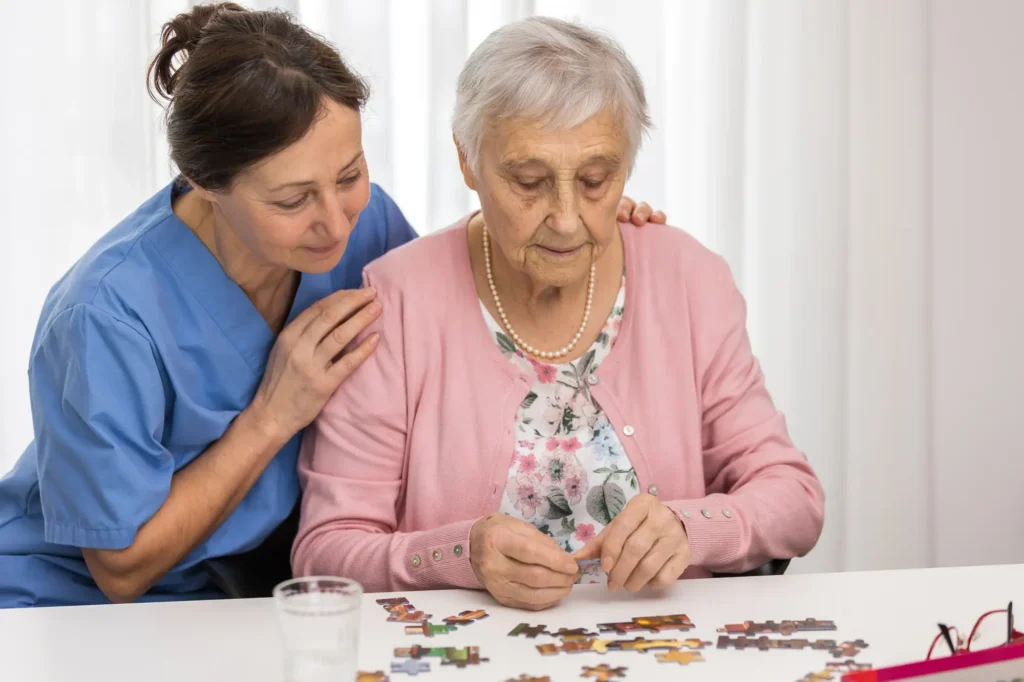
Why Professional Life-Enriching Programming Matters
When it becomes harder to keep your loved one meaningfully engaged at home, the structured, 24/7 engagement of a professional community can help. Duxbury House’s team is highly trained in dementia’s progressing symptoms and behavioral changes, so we adapt our approaches and communication techniques in ways that will reassure your loved one and facilitate successful, joyful engagement.
By combining meaningful engagement with expert care, Duxbury House’s compassionate care team and full-time Life Enrichment Director ensure every resident experiences connection, joy, and cognitive stimulation every day, all within a safe, nurturing environment specifically designed to support seniors with memory challenges.
Schedule a tour today and see how your loved one with memory loss can thrive with the meaningful fun and games designed just for them at Duxbury House.